In 2012 , CTX has started agricultural crops business , based on Experience , flexibility and commitment .CTX has gained a good reputation in exporting agricultural crops to United Arab Emirates , Saudi Arabia and China during last 6 years.
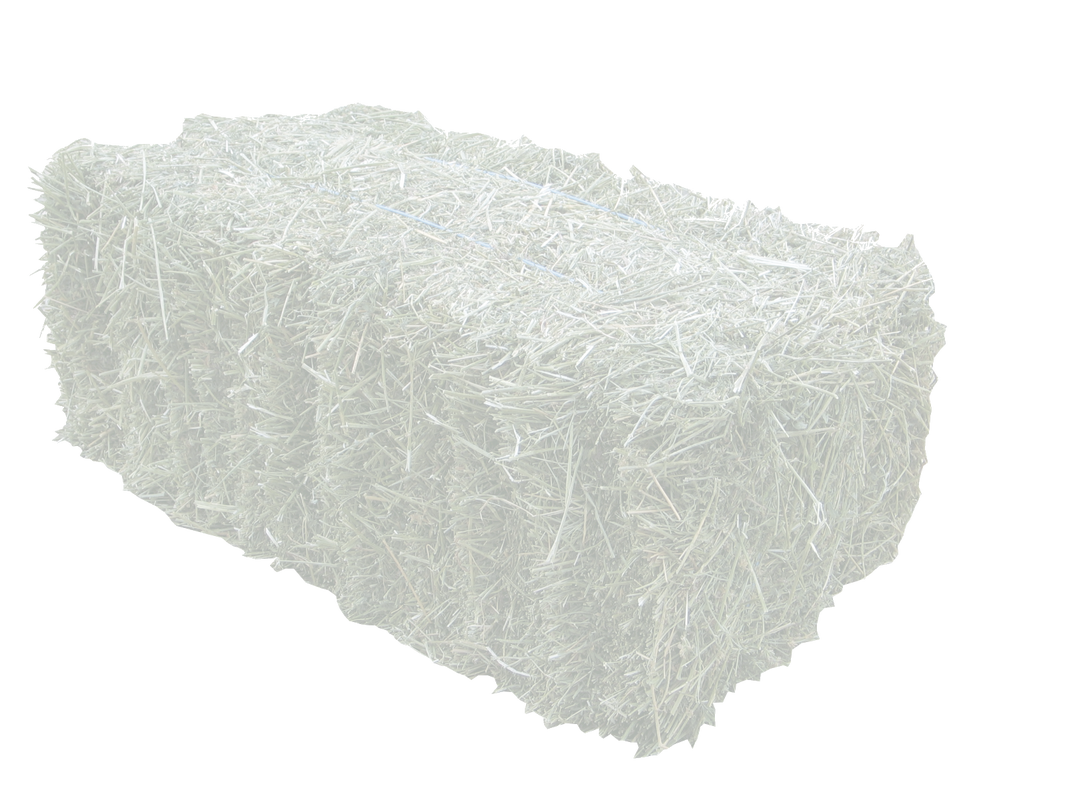
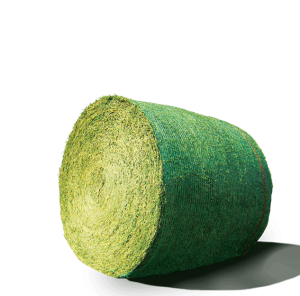
Alfalfa, also called lucerne and called Medicago sativa in binomial nomenclature, is a perennial flowering plant in the legume family Fabaceae. It is cultivated as an important forage crop in many countries around the world. It is used for grazing, hay, and silage, as well as a green manure and cover crop. The name alfalfa is used in North America. The name lucerne is the more commonly used name in the United Kingdom, South Africa, Australia, and New Zealand. The plant superficially resembles clover (a cousin in the same family), especially while young, when trifoliate leaves comprising round leaflets predominate. Later in maturity, leaflets are elongated. It has clusters of small purple flowers followed by fruits spiralled in 2 to 3 turns containing 10–20 seeds. Alfalfa is native to warmer temperate climates. It has been cultivated as livestock fodder since at least the era of the ancient Greeks and Romans. Alfalfa sprouts are a common ingredient in dishes made in South Indian cuisine.
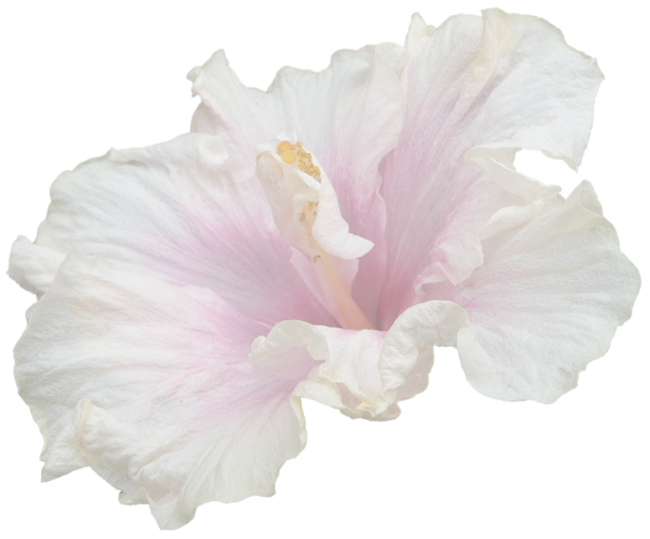
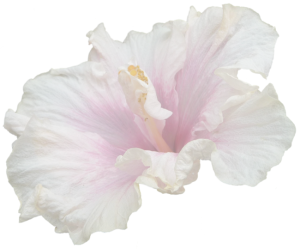
Roselle (Hibiscus sabdariffa) is a species of Hibiscus probably native to West Africa,[1] used for the production of bast fibre and as an infusion, in which it may be known as carcade. It is an annual or perennial herb or woody-based subshrub, growing to 2–2.5 m (7–8 ft) tall. The leaves are deeply three- to five-lobed, 8–15 cm (3–6 in) long, arranged alternately on the stems.
The flowers are 8–10 cm (3–4 in) in diameter, white to pale yellow with a dark red spot at the base of each petal, and have a stout fleshy calyx at the base, 1–2 cm (0.39–0.79 in) wide, enlarging to 3–3.5 cm (1.2–1.4 in), fleshy and bright red as the fruit matures. They take about six months to mature.
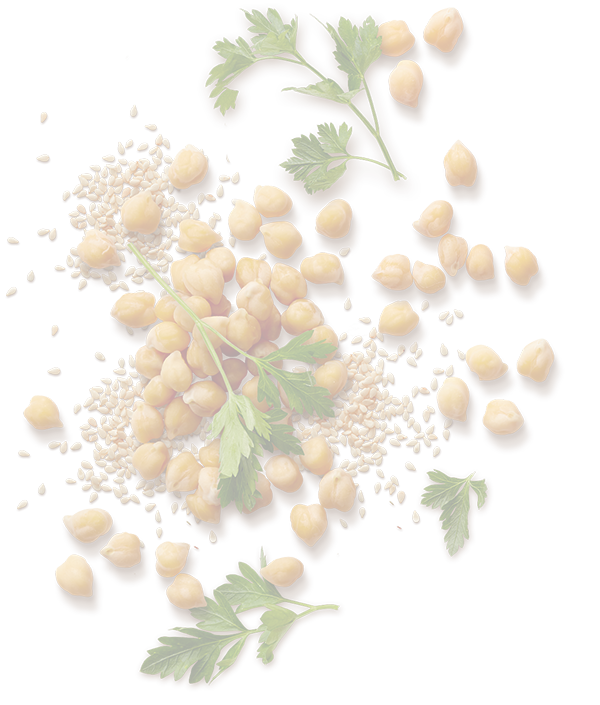
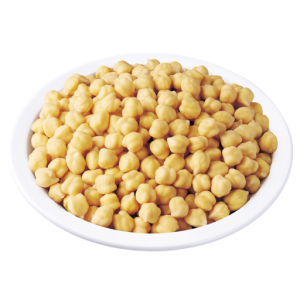
The chickpea or chick pea (Cicer arietinum) is an annual legume of the family Fabaceae, subfamily Faboideae. Its different types are variously known as gram or Bengal gram,[5] garbanzo[5] or garbanzo bean, and Egyptian pea.[4] Chickpea seeds are high in protein. It is one of the earliest cultivated legumes and 7500-year-old remains have been found in the Middle East.
Chickpea is a key ingredient in hummus, chana masala, and can be ground into flour and made into falafel. It is also used in salads, soups and stews, curry and other meal products like channa. The chickpea is important in Indian and Middle Eastern cuisine and in 2016, India produced 64% of the world's total chickpeas.
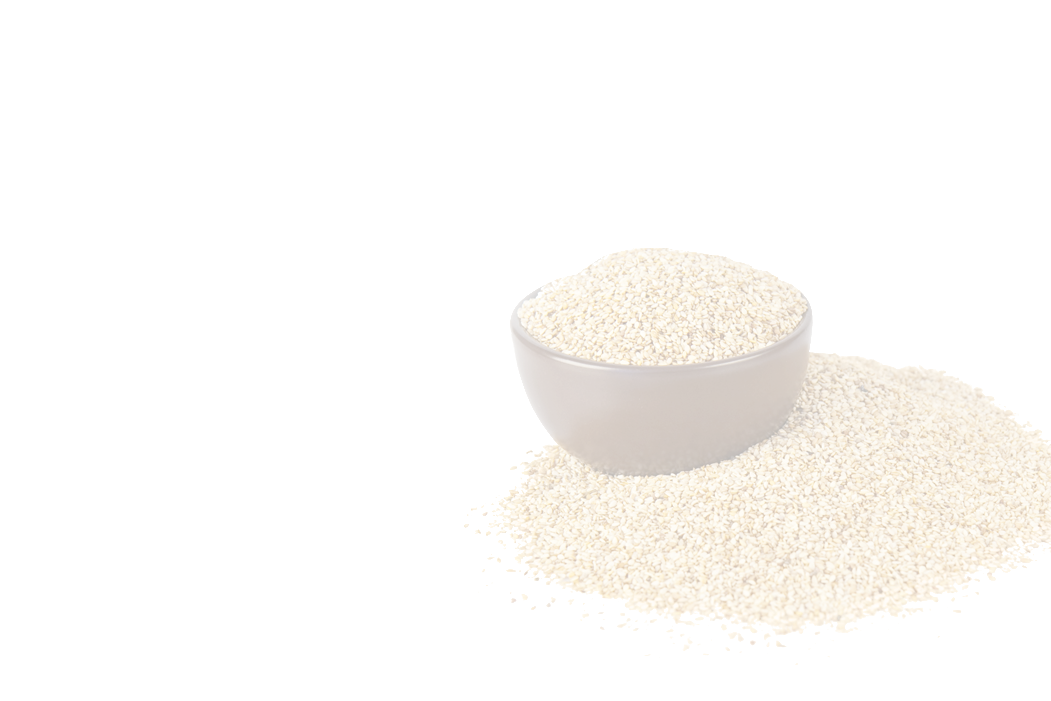
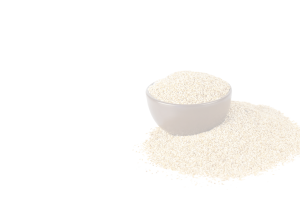
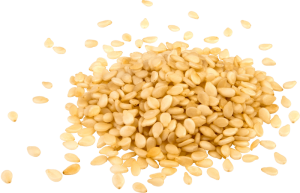
Sesame is a flowering plant in the genus Sesamum, also called benne.Numerous wild relatives occur in Africa and a smaller number in India. It is widely naturalized in tropical regions around the world and is cultivated for its edible seeds, which grow in pods or "buns". World production in 2016 was 6.1 million tonnes, with Tanzania, Myanmar, India, and Sudan as the largest producers.
Sesame seed is one of the oldest oilseed crops known, domesticated well over 3000 years ago. Sesamum has many other species, most being wild and native to sub-Saharan Africa. Sesamum indicum, the cultivated type, originated in India and is tolerant to drought-like conditions, growing where other crops fail.
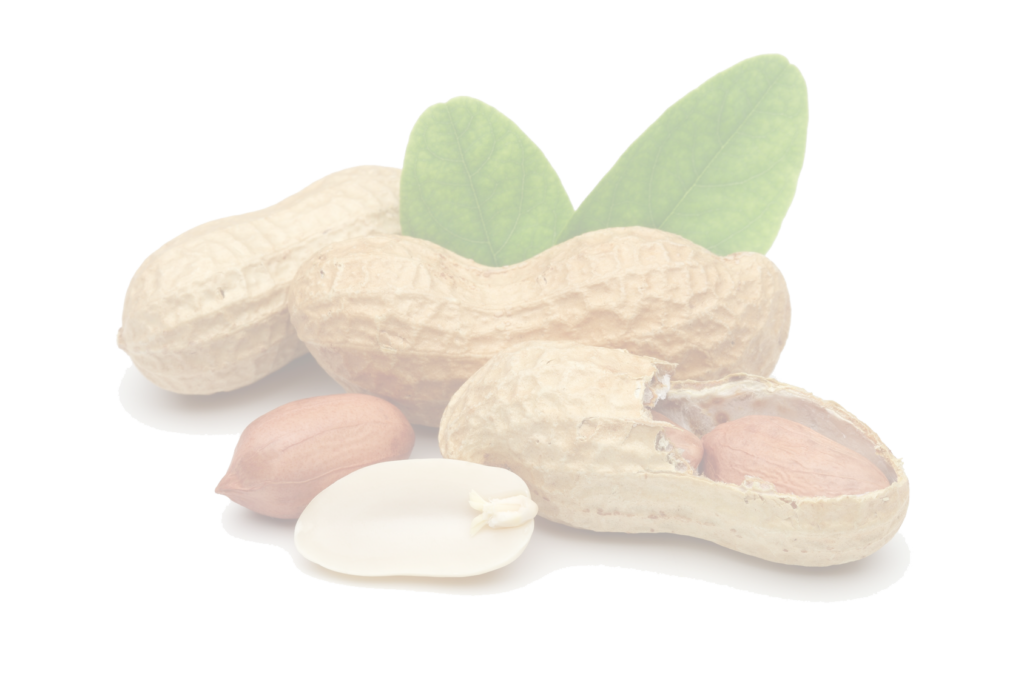
The peanut, also known as the groundnut, goober, or monkey nut (UK), and taxonomically classified as Arachis hypogaea, is a legume crop grown mainly for its edible seeds. It is widely grown in the tropics and subtropics, being important to both small and large commercial producers. It is classified as both a grain legume and, due to its high oil content, an oil crop. World annual production of shelled peanuts was 44 million tonnes in 2016, led by China with 38% of the world total. Atypically among legume crop plants, peanut pods develop underground (geocarpy) rather than aboveground. With this characteristic in mind, the botanist Linnaeus named the species hypogaea, which means "under the earth."
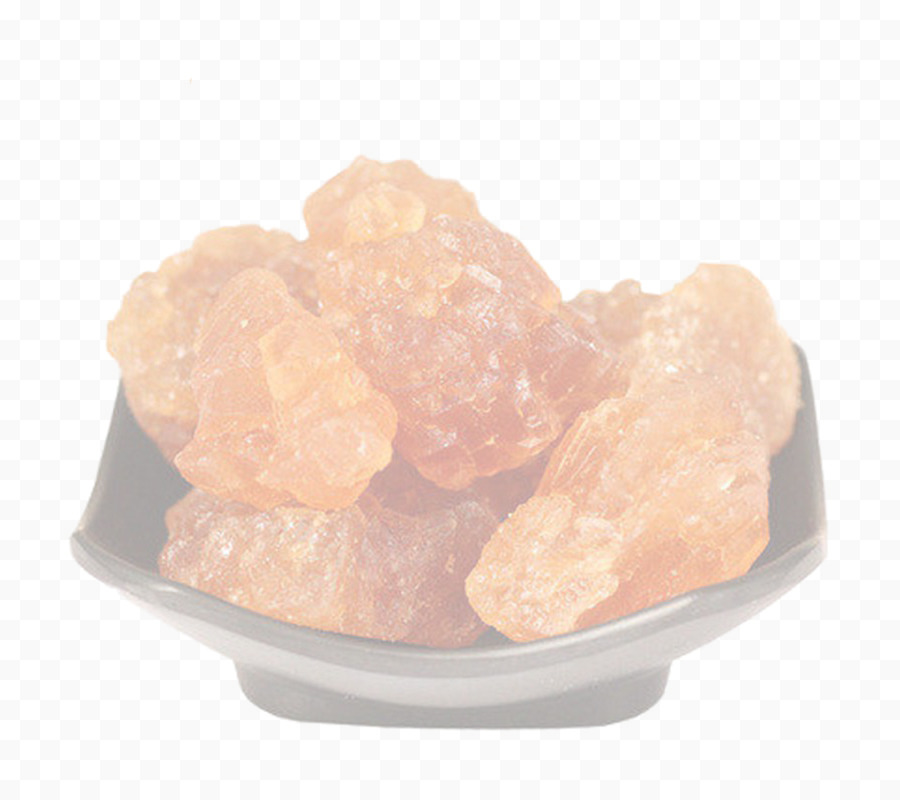
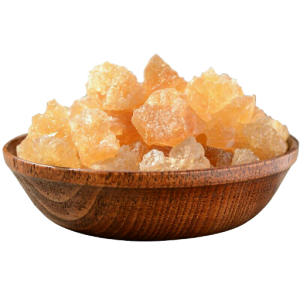
Gum arabic, also known as acacia gum, arabic gum, gum acacia, acacia, Senegal gum and Indian gum, and by other names,[1] is a natural gum consisting of the hardened sap of various species of the acacia tree. Gum arabic is collected from acacia species, predominantly Acacia senegal and Vachellia (Acacia) seyal. The term "gum arabic" does not indicate a particular botanical source. In a few cases so‐called "gum arabic" may not even have been collected from Acacia species, but may originate from Combretum, Albizia or some other genus. The gum is harvested commercially from wild trees, mostly in Sudan (80%) and throughout the Sahel, from Senegal to Somalia—though it is historically cultivated in Arabia and West Asia.
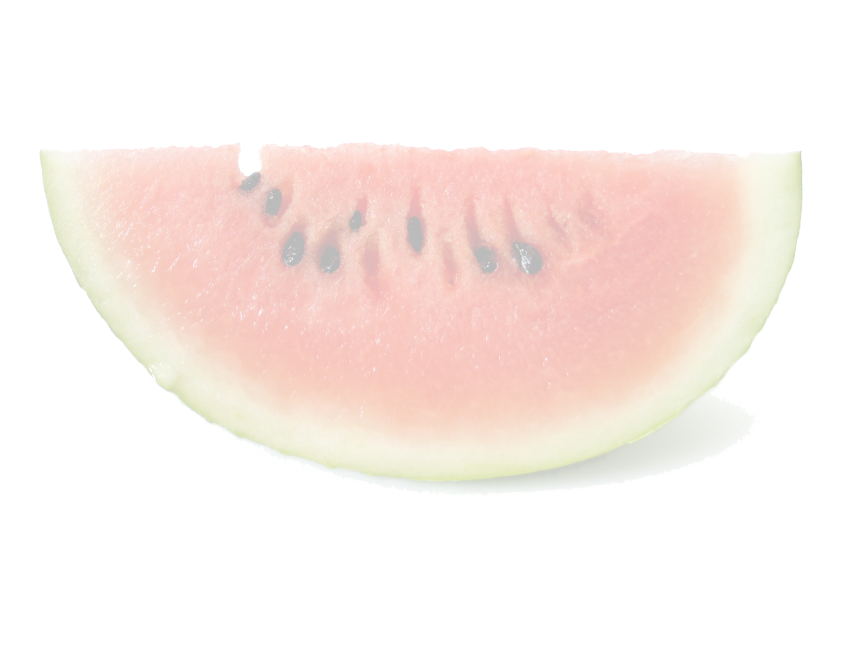
Citrullus lanatus is a plant species in the family Cucurbitaceae, a vine-like (scrambler and trailer) flowering plant originating in West Africa. It is cultivated for its fruit. The subdivision of this species into two varieties, watermelons (Citrullus lanatus (Thunb.) var. lanatus) and citron melons (Citrullus lanatus var. citroides (L. H. Bailey) Mansf.), originated with the erroneous synonymization of Citrullus lanatus (Thunb.) Matsum. & Nakai and Citrullus vulgaris Schrad. by L.H. Bailey in 1930.[2] Molecular data including sequences from the original collection of Thunberg and other relevant type material, show that the sweet watermelon (Citrullus vulgaris Schrad.) and the bitter wooly melon Citrullus lanatus (Thunb.) Matsum. & Nakai are not closely related to each other.[
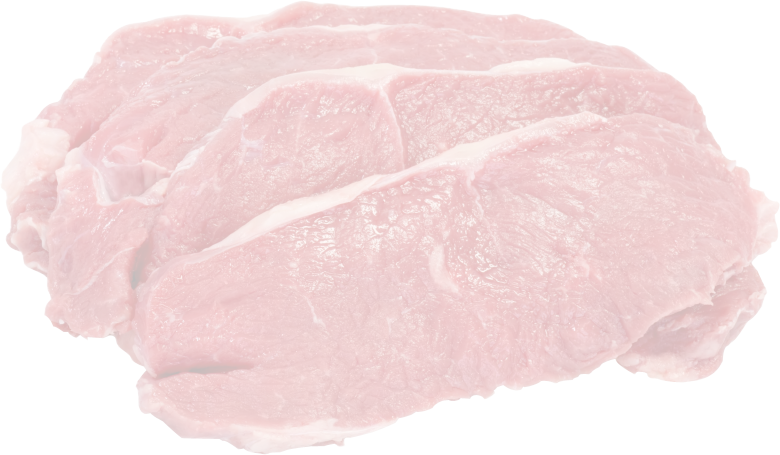
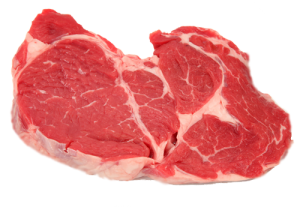
Meat consists of skeletal muscle tissue, including fatty, connective and bone tissue, originating from slaughtered, skinned and gutted animals. Frequently transported types of meat are: cattle (quarters of beef), calves, sheep and lambs (all whole). Boned chilled meat (portioned meat) is also vacuum packaged for storage and transport.
Chilled meat is also described as fresh meat because, when correctly chilled, it retains the characteristics of fresh meat. The greater or lesser degree of redness of meat is determined by its content of myoglobin (muscle pigment) which depends upon the species, breed, age and other factors.
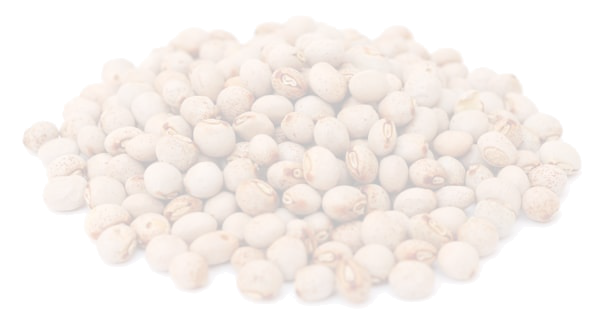
The pigeon pea (Cajanus cajan) is a perennial legume from the family Fabaceae. Since its domestication in the Indian subcontinent at least 3,500 years ago, its seeds have become a common food in Asia, Africa, and Latin America. It is consumed on a large scale mainly in South Asia and is a major source of protein for the population of the Indian subcontinent.
Contact agricultural department
Khartoum Bahry industrial area
phone: +2499280000883 , +249 912395973
: export@ctxtrading.net